Unit 1 Where did you go on vacation?
【语法解析】
不定代词:不指名代替任何特定名词或形容词的代词叫做不定代词。用法注意:
1. some和any+可数名/不可数名。some多用于肯定句,any多用于否定句、疑问句和条件从句。有些问句中用some,不用any, 问话者希望得到对方肯定回答。
2. 由some, any, no, every构成的复合不定代词作主语时,其谓语动词用第三单
3. 不定代词若有定语修饰,该定语要置于其后:如:somethinginteresting
二、知识点:
1. buysthforsb./ buysb. sth为某人买某物
2. taste+ adj. 尝起来……
3. nothing….but+ V.(原形) 除了……之外什么都没有
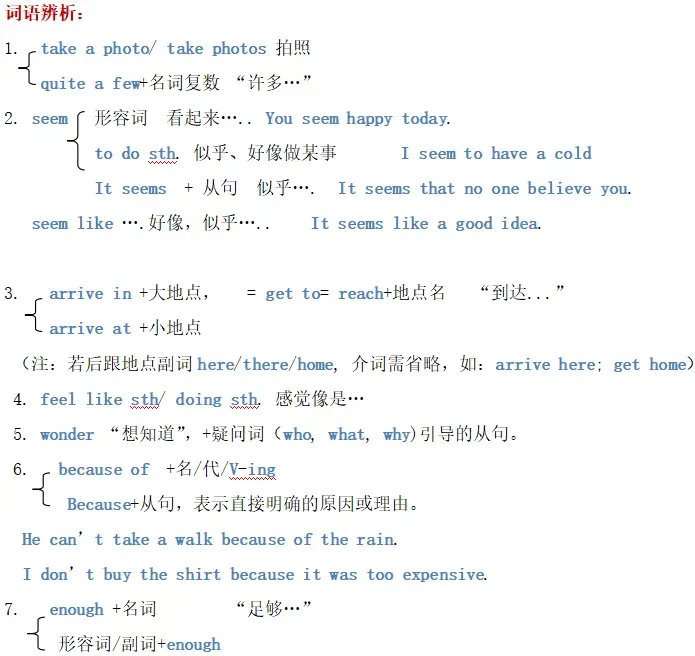
4. seem+ (tobe) + adj看起来
5. arrivein+ 大地方 / arriveat+ 小地方 到达某地
6. decidetodosth. 决定做某事
7. trydoingsth. 尝试做某事 / trytodosth. 尽力做某事
8. enjoydoingsth. 喜欢做某事
9. wanttodosth. 想去做某事
10. startdoingsth. 开始做某事=begindoingsth.
11. stopdoingsth. 停止做某事 区分:stoptodosth. 停下来去做某事
12. dislikedoingsth. 不喜欢做某事
14. so+ adj+ that+ 从句 如此……以至于……
16. tellsb. (not) todosth. 告诉某人(不要) 做某事
17. keepdoingsth. 继续做某事
18. forgettodosth. 忘记去做某事 / forgetdoingsth忘记做过某事
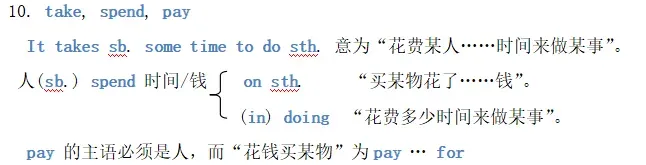
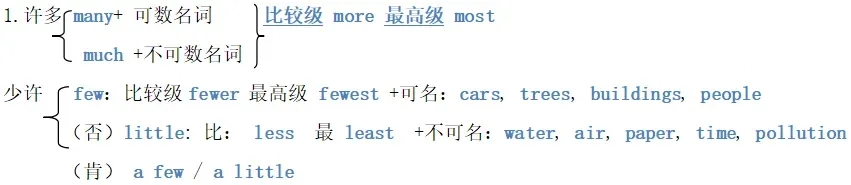
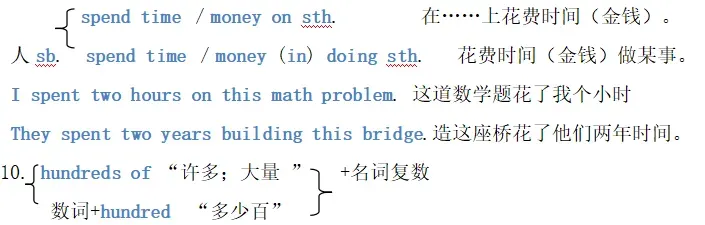
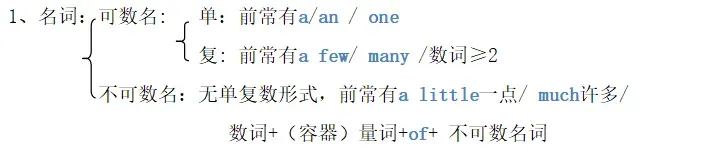
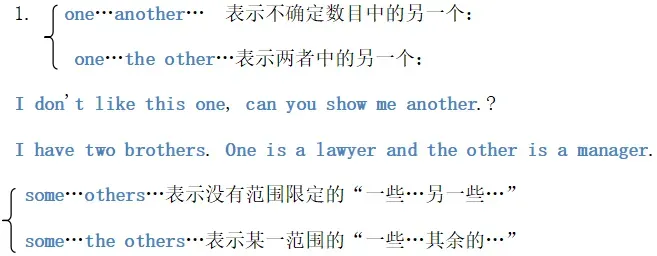
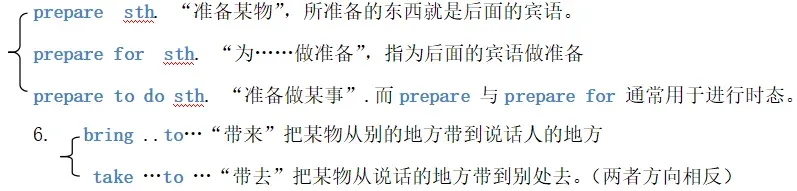
Unit2 How often do you exercise?1.频率副词: always, usually, often, sometimes, never频率副词在句中通常放在实义动词之前, be动词或助动词之后。常用于一般现在时态中一次once, 两次twice,三次或三次以上用基数词+ times, threetimes, fivetimes,3、howoften“多久一次”问频率,回答常含有频率词组或短语。—Howsoonwillhebeback?他多久能回来?—Hewillbebackinamonth. 他一个月后能回来。eg.—Howlongdidittakeyoutocleanthehouse? —Ittookmehalfanhourtocleanthehouse. 3)Howmany+名复/Howmuch+不可名“多少” 问数量(howmuch还可问价格)2. lookafter= takecareof照顾4. healthylifestyle健康的生活方式6. keephealthy=stayhealthy保持健康8. takemoreexercise 做更多的运动 13.makeadifferenceto对什么有影响14. mostofthestudents=moststudent15.shop=goshopping=dosomeshopping购物18. comehomefromschool放学回家19 .ofcourse= certainly= sure当然21. keep/beingoodhealth保持健康1. Thebabyiscryingsheishungry.maybe是副词,意为“大概, 可能,或许”,一般用于句首。Maybe是情态动词,意为“可能是..,也许是..,大概是..”.二、1)a few / few / a little / little1.peoplecanliveto100,butpeoplecanliveto150.2. Thereistimeleft, Idon’tcatchthefirstbus.3.It’sraining,thepeoplecangooutside.hard作形容词,意为“困难的,艰苦的,硬的”;作副词,意为“努力地,猛烈地”。Hardly意为“几乎不”。 4.Asforhomework,moststudentsdohomeworkeveryday. asfor...意思是“至于;关于”,+名词、代词或动词的-ing形式(即动名词)。如:Asforhim,Ineverwanttoseehimhere. Asforthestory,you'dbetternotbelieveit. 这是“主语+系动词+表语”结构的简单句。sound(听起来),look(看起来),smell(闻起来),taste(尝起来),feel(觉得),seem(好象),grow(变得),get(变得)等词在英语中可用作系动词,后跟形容词作表语。如:Themusicsoundsverysweet. 这音乐听起来很入耳。Thesmokegrewheavierandheavier. 烟雾变得越来越浓了。2. Beabout(介词)“是关于…”+名/代/V-ing4.Herebeis+名单:Hereisa photo of my family.“这是…” are+名复:Herearesome books.Eg:Ifoundthatmoststudentsgotoschoolbybike.百分数用基数+ percent(不用复数形式),percent做主语时,谓语动词的数要根据其后面的名词来确定e.g. 50% fiftypercent 百分之五十Fiftypercentofthe apples arebad. Twentypercentofthe meat isinthefridge.7.not… atall意为“一点也不”. not应放在be动词、情态动词或助动词之后。e.g. Thestoryisn’tinterestingatall. 8. Itis+ adj. todosth. 干某事是……例如:Itisinterestingtoplaycomputergames. 玩电脑很有趣。9.thebestwayto do sth.做某事的最好方式 e.g. Thebestwayto learn Englishisthroughmorepractice11.however副词,意为“然而,可是”,表示转折关系,可放在句首、句中、句末Unit3 I’m more outgoing than my sister.1.形容词的原形就是原级,2.比较级,表示较……或更……3.最高级, 表示最...。2.比较句型: A+ be动词+形容词的比较级+than+B“A比B更……”(注意:A与B必须是同级的,即必须是人与人,物与物进行对比)1.“A+实意动词+副词比较级+ than+ B”表示“A比B…”2.比较A,B两人/两事物问其中哪一个较…时用句型;“Who/which+谓语动词+ adj./adv.比较级,AorB?”Whoisthinner, JennyorMary?1.“比较级+and+比较级”,意为“越来越”。多音节比较级用 “moreandmore+原级”2. “the+比较级(…), the+比较级(…)”意思是:”越…越…”Themore, thebetter.3.主 isthe形比+ofthetwo+名复 “主语是两者中较...”4. 两者在某一方面相同:A+谓语动词+as+ adj./adv.原级+ as+ B.表示两者在某一方面不及另一方时,用“notas/so+形容词或副词原级+as”Eg. Iamnotastallasmysister.当需要表示一方超过另一方的程度时,可以用much, alot, alittle, abit, 等来修饰形容词比较级。注意: 比较级不能用very, so, too, quite等修饰。1.havefun=Haveagoodtime玩得开心havefundoingsth:做某事很开心(翻译)_____________; thesame…as… 表示:__________,3. Agoodfriedis good atsports.(翻译)begoodat…意为_____,其后可接名词、代词或动名词。同义词组:do well in He____ _____ ____ English.(他擅长英语)I’m_____ _____ _______ basketball.(我擅长打篮球)4. careabout,意为__关心______; carefor意为__关爱_______;takecare(当/小心) takecareof(照顾)=lookafter5.makesmelaugh. (翻译)______; makesb. dosth.意为:___________.Hisfatheralways_____ _____ _____ upbeforefiveo’clock.(让他起床)让(使)某人做某事(make后跟不带to的不定式)makesb. +形容词:使某人保持某种状态: e.g. Myfriendsalwaysmakemehappy6.belike“就像…”:Iamlikeyoursister.Looklike“外貌上的像 ” Ilooklikemysister.7.That’swhy+句子:那就是…的原因/那就是为什么…8.It’s+形+(forsb.)todosth. “做某事(对某人来说)是... ”9. makefriendswithsb.与某人交朋友10. aslongas只要;既然,引导条件状语从句11. bedifferentfrom与……不同; 反:bethesameas与…… 相同12.though① adv.不过;可是;然而(句末补充说明使语气减弱)② conj.虽然;尽管;=although与but不能同时用在一个句子中eg:Hesaidhewouldcome, hedidn’t, though. 他说他要来,可是并没有来。Though/Althoughhehasbeendeadformanyyears, manypeoplestillrememberhim.13.getbettergrades取得更好的成绩14.does(助动词do/did),为了避免重复,可代替上文出现过的实意动词。IworkharderthanTom____(is/do/does/did).Unit 4 What’s the best movie theater?1)形容词最高级:用于三者或三者以上的人或事物相比较。3) 形容词最高级前须加定冠词the.副词最高级前可省略the。1. A+ be+ the形容词最较级+ 表示范围(in/of介词短语)2. A+ 实意动词 + (the) 副词最高级 + 表示范围的of/in介词短语1) Who/ Which…+ 最高级…, A, BorC?2) oneof+the+形容词最高级 +名词复数形式, 意为“最…之一”。3、Howdoyoulike+名/代/V-ing:“ 你认为…怎么样?”=Thankyoufor+名/代/V-ing:“感谢…”5.不客气:Noproblem. = You’rewelcome. =Notatall.6.talent名(可)天赋talentshow:才艺表演talented形:有天赋的:betalentedin7. begoodat擅长… (= dowellin) 反义短语:bepoor/ weakin在...方面弱;begoodfor“对……有益”,后跟人或事物;其反义短语是bebadfor。begoodto“对……好(和善;慈爱)”,相当于 befriendlyto,后面通常接人8. have… incommon有相同特征;(想法、兴趣等方面)相同* kindof有点+ 形 : kindofboring/ fat/thin10. It’suptosb. todosth. 做某事是某人的职责11. makeup编造(故事、谎言等)Don'tmakeupastory.12. take… seriously认真对待……Don’ttakeitsoseriously. 别把这件事看得这么严重。13. playaroleindoingsth. “ 在…中发挥作用/扮演角色”14. win动--won:赢得+奖品 winner名:赢者15. give—gave(过) givesb. sth= givesth. tosb. 给某人某物Hegavemesomemoney.= Hegavesomemoneytome.suchas:常列举几个例子,不能穷尽,可和andsoon(等等)连用forexample:一般只列举一个,作插入语用逗号隔开,可置于句首/句中/句末;e.g.Ilikefruits, _________, apples._________apples, bananasandpears.Unit 5 Do you want to watch a game show?1.询问某人对某物的观点及看法:Whatdoyouthinkof…?=Howdoyoulike…?2.描述喜好Ilove/ like/ don’tmind/dislike/can’tstand…(复习巩固一般现在时态:主语+V+其他;主语(三单)+V(三单)+其他)2.mind: 介意; 其后+名词/代词/V-ing4.stand1)“站, 站立” e.g. Standup! 起立2) “忍受” (多用于否定句、疑问句) , 后可+名/代/V-ing5.planvt. & vi.计划, 打算,plantodosth.plan还可作名词,如:makeplans制定计划6.动词 discuss(讨论) + ion→ discussion7. happenv. 发生; 出现 sth+ happenstosb.”或“Sthhappened+时间/地点”句式8. 情态动词: may:语气弱于can,意为“可能”may/mightnot表示否定推测时语气最弱,意为“可能不”Theymaynotbeveryexciting. 她们可能不是那么另人兴奋9.expecttodosth. 期盼做某事 hopetodosth: 希望干某事want, like, hope, wish, learn, start, begin, prefer, try, ask11.oneof…后跟可数名词复数,表示…之一。其后的谓语动词用单数。e.g. OneofmyfavoritemoviesisMr. Bean. 我最喜欢的电影之一是憨豆先生。12.alwaysreadytodosth., 表示“总是准备好做某事13.tryone’sbest“尽力; 竭尽全力”的意思Unit 6 I’m going to study computer science.“be+ goingto+动词原形”来表达,表示计划或根据某些现象或征兆预测不久即将发生的事情。含有“打算”之意。常与tomorrow, nextSunday, nextmonth, thedayaftertomorrow等表示将来的时间状语连用。1).结构“主语 + be(is/am/are) goingto+ dosth”2).否定式:主语 + benot+ goingtodosth.1. wanttobe/become+ (职业)名词 :“想要成为…..”Iwantto be(be) ascientistwhenIgrowup.2.writestories写故事tellstories讲故事3. keepondoingsth继续做某事(表动作的反复)keepingdoingsth. 保持做某事(表动作或状态的持续)Makesurethatbothdoorsareclosedwhenyougoout6. discussv.讨论;商量名词是discussiondiscusswithsb. 与某人讨论 : Discussthisquestionwithyourpartner. Let’sdiscussthisproblem. 让我们讨论一下这个问题。 Allweneednowisaction, notdiscussion. 我们现在需要的是行动,不是讨论。区分(1)can : can+动词原形,无人称和数的变化。只能用于一般现在时和一般过去时,不能用于将来时beableto+动原,有人称和数的变化。(be:is/am/are/)可用于多种时态(2) can常指客观上能够;beableto更侧重于“克服一定困难”、“经过努力”、“有能力”做成某事。Hewillbe able to(能够) speakEnglishnextyear.(在此不能填can)8. promisen. 承诺;诺言v. 许诺;承诺;答应makeapromise(tosb.) (对某人) 许下诺言keepapromise遵守诺言breakapromise违背诺言Hepromisedtohelpme. 他许诺过要帮助我。IpromisedthatIstudyhardfromnowon. 我承诺从现在起努力学习。Thebookhastodowithcomputers. 那本书与计算机有关。Iamgoingtotakeupcookingnextyear. 明年我将要学煮饭。11. Sometimestheresolutionsmaybetoodifficulttokeep.too+形容词/副词 to+动原,表示“太…而不能… ’’如:Thekidistooyoungto play (play)thisgame.12. one’sown+名 “某人自己的东西” 强调某物为个人所有Unit 7 Will people have robots?1、概念:(1) 表示将要发生的动作或存在的状态。Weshallgotoseehimtomorrow.(2) 表示将来经常或反复发生的动作。FromnowonIshallcomeeveryday.2)主+ 助动词 shall/ will+ V原形+其他.3、句中的时间状语:tomorrow明天;nextweek/month/year下周/月/年;in+时间段:多长时间之后;thedayaftertomorrow后天;4. Therebe句型的将来时:“(某地)将有某物(一般疑问句:Will+therebe… 肯:Yes, therewill; 否:No, therewon’t.)2)、Thereisgoingtobe+名(单)/不可数名5. 一般将来时和begoingto表示将来1) 表达一种事先计划或打算时( 说话人打算在将来做某事因为在过去他或她已制定了一个计划或决定去做这件事),只能用begoingto.2) 表达意愿时, 只能用will.拓展:将来时也可以用现在进行时“be+ V-ing”来表达 ,表示按计划和安排即将发生的动作,语气较婉转,动词多是一些“来、去”的位移动词。如:go, come, leave, start, move, arrive, reach, return, drive, travel, landHeis leavingforBeijingtomorrow. 他明天去北京。Theplaneis landing soon. 飞机即将着陆。2、livetobe基数词+ yearsold“活到…岁”3、beingreatdanger处在极大的危险中4、playapartin+名/代/V-ing. 参与某事/做某事Everyoneshouldplayapartinsaving theearth.5、helpsb. withsth. 帮助(做)…… HeoftenhelpsmewithmyEnglish. helpsb. (to) dosth. 帮助做……Heoftenhelpsme studyEnglish.Helpyourselftothefish. 请随便吃鱼1)表状态的动词:be/seem/keep/stayIexercisetokeephealthy.2)感官动词:sound/look/taste/feelThatsoundsgreat.3)表变化的动词:get/become/turnTherobotsnevergetbored.7. makesb. (代词为宾格)do… (让)……(做)… HemadeTomlaugh. 使役动词是表示“使、令、让、帮、叫”等意义的不完全及物动词,还有leave, get,keep,make(使,令), let(让), help(帮助)等。 1.) make/ let+sb. +dosth. 2). get/ leave+ sb. todo/ doingsth. 3)leavesb. doing让继续处于某种状态Don'tleaveherwaitingoutsideintherain.8. thesameas… 和……一样 反义短语:bedifferentfrom9. Ittakes/ took/ willtakesb. sometimetodosth. 某人花了……时间做某事(时态根据具体情况决定) Ittakesmeanhourtogettomyoffice. 类似的数词还有thousand(千), million(万)Therearefourhundredstudentsinourgrade. 我们年级有400名学生TherearehundredsoftouristsinBeijingeveryyear.11.during“在…期间” duringthevacation/thedaytime/theweekend12.themeaningof“…的意思” Canyoutellmethemeaningofthewords?Unit 8 How do you make a banana milk shake?一、会用副词first, next, then, afterthat, finally等来叙述做事的顺序或步骤的先后注:some一些/ lotsof= alotof(许多)+ 可名词/不可数名2、名复数的构成:1)名+s2)以s,x,ch,sh结尾的名词,+es(规则)3)以辅音字母+y结尾的名词,变y为i, 再+es注:以O结尾的有生命的名词,+es. 如 tomato—tomatoespotato—potatoes 以f或fe结尾的名词,把f或fe变V,+es:thief-thieves(小偷) leaf--leaveslife---lives不规则变化要加强记忆,如man---men, woman---women, tooth--teeth三.学会在谈论食物制作过程中使用Howmuch…? Howmany…?Howmuchhoneydoweneed? (howmuch也可以用来问价格)1.cut是“切, 割”的意思, 过去式为cut。Cutupthebananas. = Cutthebananasup. Cutit/themup.类似的词有:turnon 打开, 接通(电流、煤气、水等) turnoff 关掉, 截断(电流、煤气、水等)turnup 开大, 调高(音量、热量等) turndown 调低, 关小(音量、热量等)2.祈使句:一般以动词原形开头,通常省略主语(you)。表示请求,命令,劝说,指示等。结构:肯:V原+其它。 否:Don’t+V原+其它。Cutupthebananas. Don’teatinclass.4. forgettodosth. 忘记(去)做某事5、It’sa time(forsb). todosth. 该是(某人)做某事的时期It’stime(forsb.) todosth. =It’stimeforsth. 该是(某人)做某事的时间E.g. It’satimeforyoutostudyEnglish.It’stimeforustogotoschool.(It’stimeforschool.)6、givethanksfor+名/代V-ing“感恩…”Weshouldgivethanksforour parents.Hegavethanksforlife and food.7、…MostAmericansstillcelebratethisideasofgivingthanksby havingabigmeal…by+V-ing:1)以…方式IstudyEnglishbylisteningtoEnglishsongs.2)在…的旁边 Iamsittingbythepool. 3)在…之前 Ihavetogotoschoolby8:00. 4) 搭乘 bybus: Igotoschoolbybus.9.fillsth. withsth. 用…把…装满(强调动作)Eg. Ifilledthecupwiththemilk. Thecupisfullofthemilk.10.put…in(into)…把… 放到 … 里12. cut…into把… 切成…Cuttheappleintofourpiecescutup…切碎 :Cutuptheapple=Cuttheappleupcutthemup13.serve:(动)服务---- (名) serviceUnit 9 Can you come to my party?一、表示邀请的句型: 1.Can/Couldyou…(cometomyparty)?2.Wouldyouliketo..( Wouldyouliketomyparty)?接受: Sure/Yes/Ofcourse, I’dlove/liketo.拒绝: 1.I’msorry, Ican’t. Ihaveto/ must+V原(陈述理由 :)…2.I’ dlove/liketo, butI… (理由) 3.I’mafraidnot. I…(理由)1.must 表示主观“必须”;must 表示“主观上的要求”,无人称和时态的变化,否定回答: needn’t 或 don'thaveto (不必)。mustn’t 表示“禁止”.2.haveto表客观需要,有人称和时态变化,否: don’t/ doesn’t/ didn’thaveto(没必要);—MustIbehomebeforeeighto’clock? 8点之前我必须回家吗?—Yes, youmust. / No, youneedn't. / No, youdon'thaveto.Somegotoschoolbybikeandothersgotoschoolbybus.Somegotoschoolbybikeandtheothersgotoschoolbybus.注:other+名词=others其他的(人/物)2. invitev.邀请名词是invitationinvitesb. todosth.“邀请某人干某事” 1). Mr. Greeninvitedmeto visit (visit) hisfactorylastweek.2). Thanksalotforyourinvitation (invite).3).Thanksforinviting (invite) metoyourparty.3.(1)What’stoday?问今天是几号、星期几,回答时,通常用星期和日期,也可用节日。即:It’s+星期+日期.(2)What’sthedatetoday? 意为“今天是几月几号?” It’s+月+日。(3)Whatdayisittoday? 意为“今天是星期几?”,It’s+ 星期几。--- What’stoday? —It’sWednesdaythesecond—What’sthedate? --- It’sSeptember10th.—Whatdayisittoday? — It’sWednesday.4.havealesson(class) 上课 :haveanEnglishlesson5.preparev.准备名词:preparationBringyourhomeworkhere, andtakethebookaway.7. without(介词)没有+名/代/V-ing. 反:with“具有”Janeisabeautifulgirlwithlonghair.IstudyhardsothatIcangetgoodgrades.9. surprise名:惊奇surprisedadj. 惊奇的(人)surprising(物作主)besurprisedatsth.: “惊奇于某事” toone’ssurprise:“令某人惊奇的是”①I’msurprisedatthesurprisingnews. 我对这个令人惊讶的消息感到很吃惊。②Tomysurprise, heleftwithoutleavingaword. 令我惊奇的是,他一声不响地离开了。10. lookforwardto(介词)+名/代/V-ing。Ilookforwardtoyourreply. 我期待你的答复。Ilookforwardtoseeingyouagain.11. hear(heard)fromsb. = getaletterfromsb.收到某人的来信。Iheardfrommyfriendsyesterday.=Igotaletterfrommyfriendyesterday.A:What+(a/an) +形容词+名(单)+主语+谓语! Whatabeautifulgirlsheis!B: How+形容词+主语+谓语! Howbeautifulgirlis!13. Thebestwayto do sth.做某事的最好方式Exercisingisthebestwayto keep healthy.14. Howtodothat. “该怎么做” :疑问词+todosth常用来做宾语Idon’tknowhowtomakeabananamilkshake.15. attheendof“在…末尾” Now, itisattheendof2014. 反:atthebeginningof“ 在…开始”16.beglad/happy/sadtodosth. “很高兴/难过做某事 Iamgladto see you.Replyinwritingtotheinvitation“以写信形式回复这份邀请函”Unit10 If you go to the party, you’ll have a great time!1). if条件句:条件句用于陈述语气,表示假设的情况可能发生,其中if是“如果”的意思,引导条件状语从句,if从句用一般现在时,主句则用一般将来时。 | | |
| | 3.主句含有情态动词Can, may, must等词4.主句含有want, hope, wish等表愿望的词 |
| | |
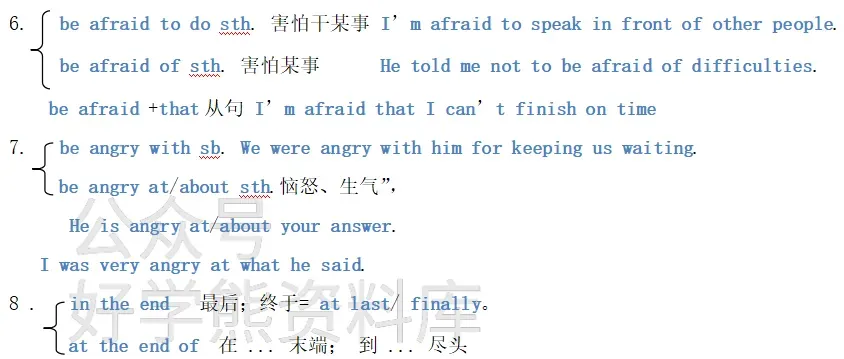
注意:在与if条件句连用的主句中我们一般用will表示将来时,而不用begoingto表示将来时(1) Iftherain__________(stop) tonight, we_______(go) tothecinema.(2) I’llbuyacomputerifI___(have) enoughmoney.在when(当…时候), after, before等引导的时间状语从句中,如果主句为一般将来时,从句要用一般现在时表示将来(主将从现)。如:IwillcallyouwhenIreachCanada. 我一到加拿大就给你打电话。IamgoingtostartwhenIfinishhighschoolandcollege.2.asksb.(not)todosth. 要求某人(不)做某事Eg:Theteachersaskusto do (do) lotsofhomework.3 ordersth. from+地点: “从某地订购食物”Eg:Iwanttoordersomebooksfromthebookstore.5. unlessconj.除非;如果不unless引导的条件句表示在特定条件下,才决定做或不做一件事。=if… notTheconcertwillbeheldasscheduleunlessthereisatyphoon.= Theconcertwillbeheldasscheduleifthereisnotatyphoon.Hemarriedthenicegirlintheend/ atlast/ finally. Theschoolisattheendofthestreet. 9. carelessadj.粗心的;反义词为careful,意为“小心的”。Theboyisverycareless. 这个男孩很粗心。Heismorecarefulthanme. 他比我认真。advisesb. (not)todosth.建议某人(不)做某事Iadvisewaitingtilltherighttime. 我建议等到适当的时候。Iadvisehimnottosleeplateeveryday. 我建议他不要每天睡懒觉。MyEnglishteacheradvisesmetospeakEnglish.11.It’sbest(not)todosth. 最好(不)做某事It’sbesttospeakEnglisheveryday.12. runawayfrom“ 从…逃离” “逃避”